Share
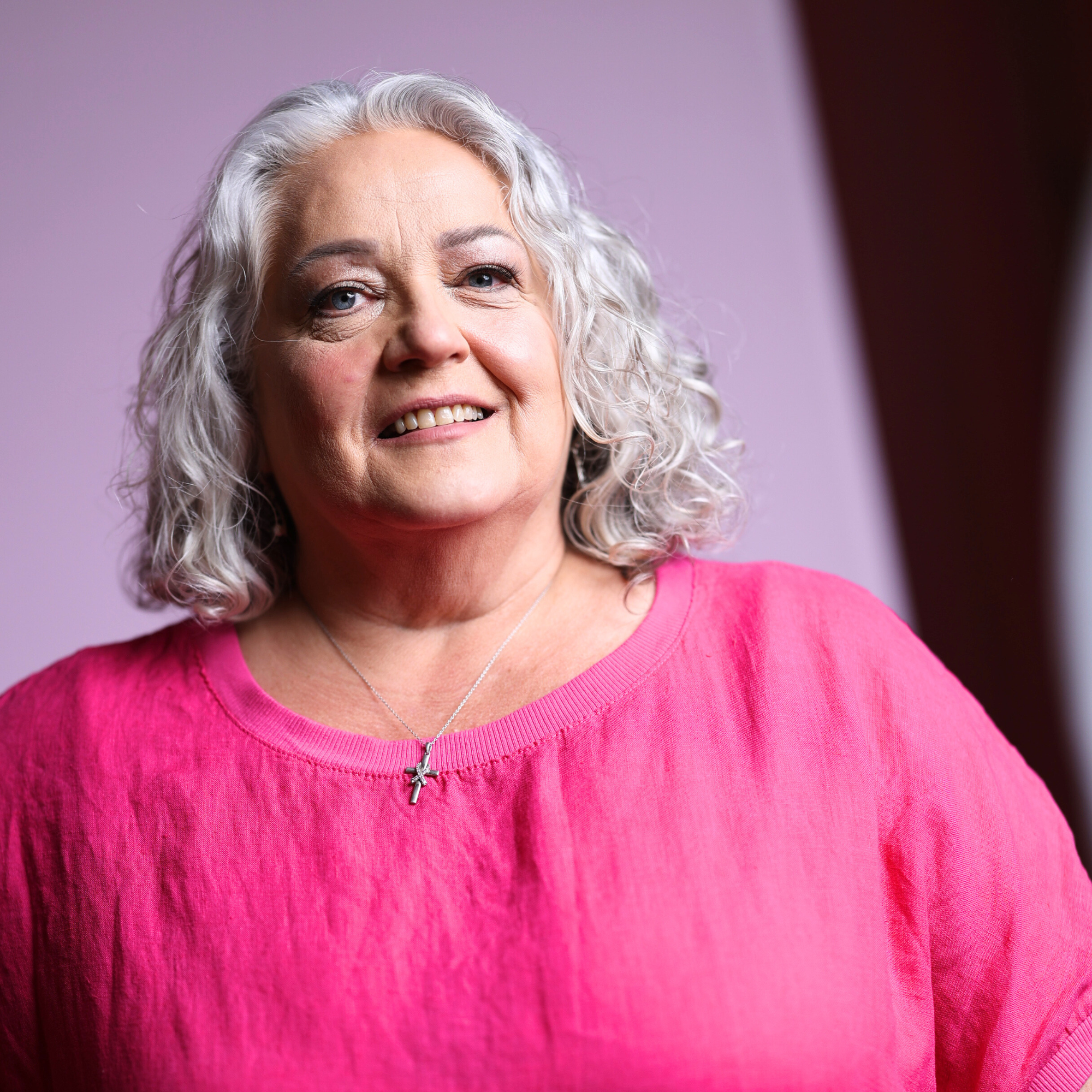
On January 31, 2022, Sharon went for what she believed would be a routine mammogram. She felt healthy. She couldn’t feel a lump. There was no family history of breast cancer.
A week later, after additional imaging and a biopsy, she received the diagnosis: invasive ductal carcinoma (IDC), Stage 2A. It was a total shock.
In consultation with her medical team and her family, Sharon chose to undergo a lumpectomy on March 10, 2022. But the pathology results revealed more aggressive features – lymphovascular invasion, neuroendocrine differentiation, and a high Oncotype score – making her a candidate for chemotherapy.
From May to July, Sharon completed four rounds of chemotherapy, followed by radiation. She began taking Letrozole (a hormone therapy), which she will continue for seven to eight years, and now receives Zometa infusions every six months as part of her ongoing care to support bone health.
Physically, the treatments were demanding. Emotionally, the year brought even more heartbreak.
Just five days before her chemotherapy was scheduled to begin, Sharon’s mother passed away suddenly. There was little time to grieve before stepping into cancer treatment. At a time when she needed stability the most, everything felt like it was unraveling.
And yet, Sharon was never alone. Her family, friends, and medical team rallied around her with unwavering support. They showed up in ways big and small, carrying her through the hardest days. Since then, Sharon has retired and begun rebuilding her life. In the midst of so much loss and change, she experienced profound joy: she became a Grandmother! Holding her grandchildren has been, in her words, “the best blessing ever.”
One thing that surprised her most about her diagnosis was how many younger people she met along the way. “One thing that surprised me was the young people that are getting diagnosed with it,” Sharon says. “It’s not just us over 60 people or even over 50. There are 30-year-olds, 20-year-olds, 40-year-olds – people in the prime of their life. They have to worry about working and kids.”
Her experience opened her eyes to the evolving reality of this disease. Breast cancer does not discriminate by age, and research must continue to reflect that urgency. Sharon’s story is a powerful reminder that behind every diagnosis is a life interrupted. Through groundbreaking research, improved treatments, and continued innovation, Breast Cancer Canada is working to ensure that people of every age receive earlier detection, equitable access, and the best treatment available.
At just 23 years old, Raphaëlle Tousignant has already built a remarkable career in Canadian sport: one defined by determination and an unwavering passion to keep moving forward.
From Patient to Purpose: Maddy’s journey from diagnosis at 38 to advocacy and advancing breast cancer research.
“The first time, I had one kind of treatment. The second time, it was completely different.”
Breast Cancer Canada donations fund life-saving research that directly impacts Canadian patients. That means better answers, bigger breakthroughs – and more personalized treatment for every breast cancer diagnosis.
Our suite of digital tools are each designed to help individuals better manage their breast cancer journey through education, research and personalized insights, while also elevating the patient voice.
Every breast cancer journey is unique, but together, these stories paint a powerful picture of progress. Through firsthand accounts from patients and survivors, we share stories that highlight the lived-experiences of breast cancer.
Progress happens when we invest in it. Canada is home to some of the world’s brightest minds in research. Together, we are advancing science, ensuring it leads to earlier detection, better treatments, and improved outcomes for patients across the country.






Quick Links
Sign Up, Know More.