
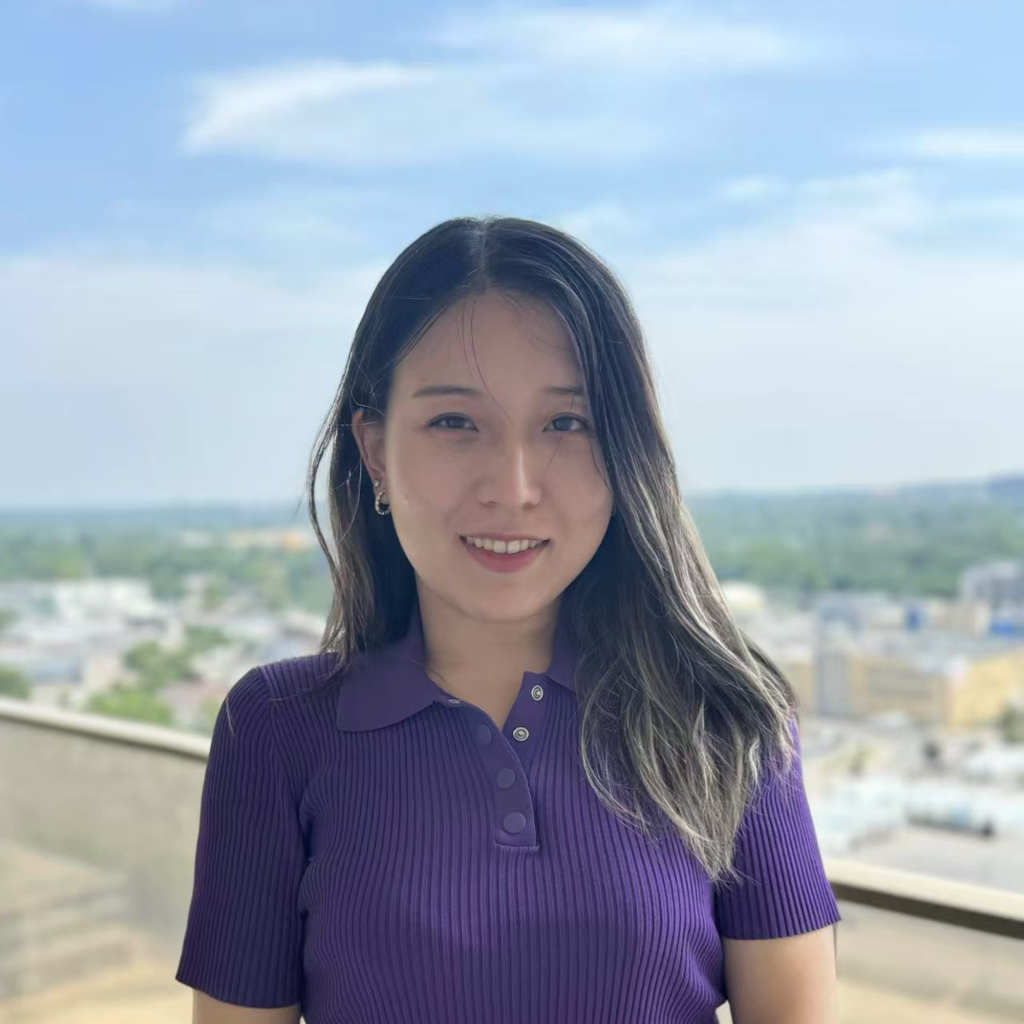
- What specific areas of breast cancer research are you currently focusing on, and why are they important?
My research focuses on HER2-positive breast cancer, a type of breast cancer that is treated with a targeted drug called trastuzumab before surgery. I am investigating how a patient’s immune system influences how well this treatment works. We believe that a patient’s overall “immune readiness” before treatment may help predict whether they will respond well. We are also studying whether immune cells in a patient’s blood can provide clues about what is happening inside the tumour. This is important because it would help identify patients who are likely to benefit from standard treatment, as well as those who may need a different or more personalized treatment strategy. Our long-term goal is to develop tools that help guide treatment decisions earlier, giving each patient the best possible chance of success.
- What recent breakthroughs or discoveries in Canadian breast cancer research are exciting to you?
What excites me most is how much we are learning about the immune system’s role in breast cancer. In the past, researchers often studied one type of immune cell at a time. Today, new technologies allow us to look at the entire community of immune cells within a tumour and better understand how they work together to influence treatment response. I am also excited about the growing use of artificial intelligence (AI) in breast cancer research. Our collaborators, including surgeon Dr. Muriel Brackstone and pathologist Dr. Matthew Cecchini, have recently shown how AI can help doctors analyze tumour samples and predict how patients may respond to treatment. I am currently completing a specialization in machine learning so I can apply these exciting tools to my own research in the future. It is a wonderful time to help build this understanding.
- How do you see the future of breast cancer prevention, screening, diagnosis, treatment evolving through research?
As researchers gain a deeper understanding of each patient’s tumour and the factors that drive treatment response, we are moving toward care that can be tailored much more precisely to each individual patient. Immunology will be an important part of that future, both by improving how we use existing treatments and by helping identify which patients may benefit from additional or alternative strategies. I also see patients and their families becoming closer partners in research, sharing their experiences, and working alongside research teams the way they do in our lab, so that the science stays grounded in what patients actually need. Breast Cancer Canada plays a real part in this, both by funding the research and by championing patient engagement and close collaboration across labs.
- In your opinion, what role can public awareness and advocacy play in advancing breast cancer research and treatment?
Advancing breast cancer research really takes all of us. As a researcher, I feel honoured to take part not only in the research but also in Breast Cancer Canada’s community events, like the fundraising drives and the Mother’s Day Walk-A-Thon, alongside patients and their families. When the public understands the disease and gets involved, it not only raises more funding, but also builds real awareness of what patients live through every day. That awareness helps focus attention and resources toward the areas that have the greatest need, which in turn speeds up the development of new treatments. Advocacy also keeps patients’ voices at the centre of research, which makes the work more meaningful and more useful to the people it is intended to serve.
- What message would you like to share with someone who has just been diagnosed with breast cancer?
My message to someone newly diagnosed is that you are not alone, and that we are a connected community standing with you. Patient experiences matter deeply to our research, and we always welcome learning about your journey with breast cancer, because your perspective helps shape better and more compassionate research and care. We work hard every day as researchers, and we are always glad to explain the research underway to improve treatment for patients and their families. We believe in a future built on close collaboration between patients, researchers, and clinicians, where care is tailored to each person.